Investor Guide · August 2026
How Rental Income Distribution Works: Turning Property Into Passive Income
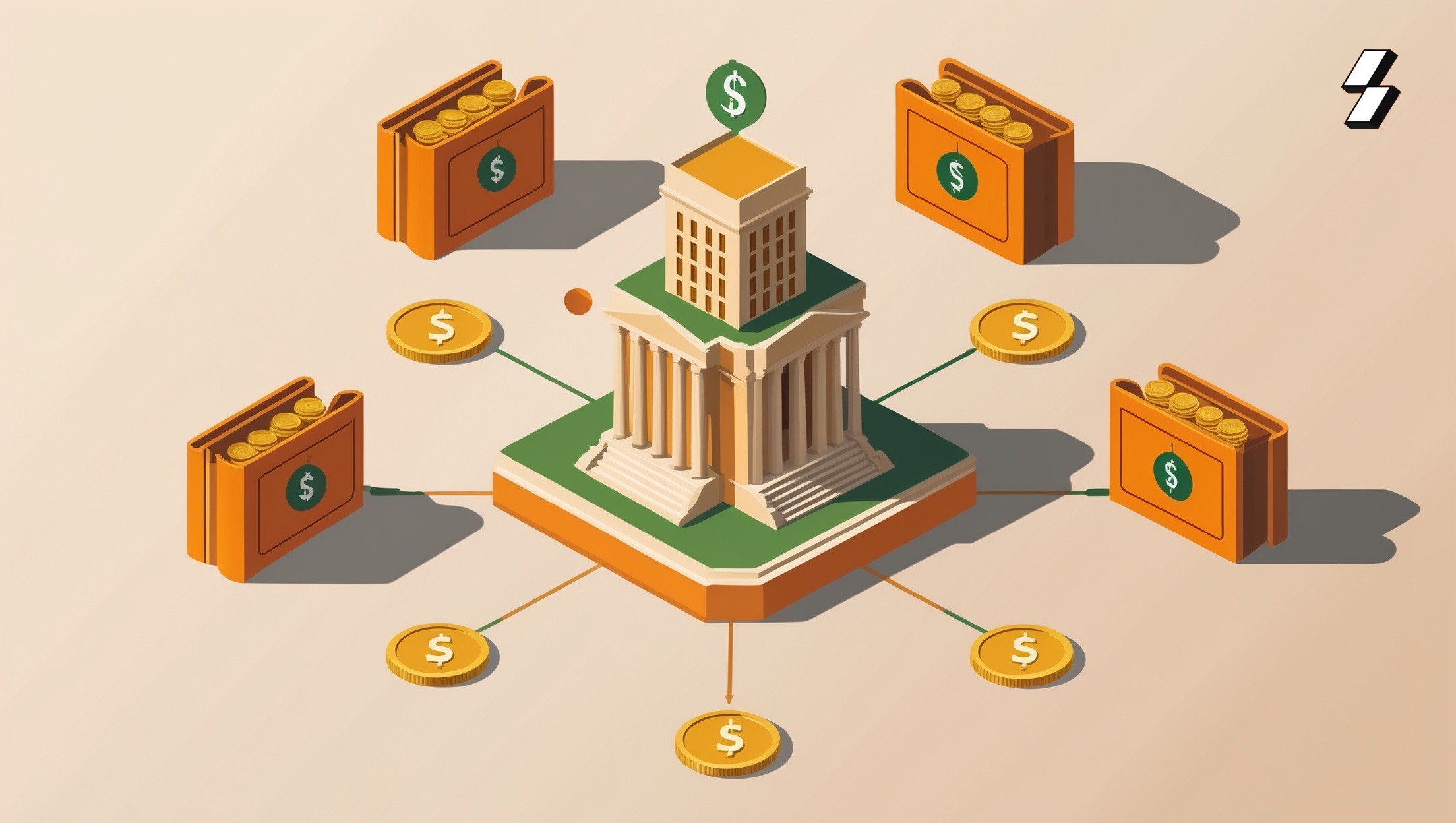
The promise of real-estate investing is passive income — money that arrives without you managing tenants, chasing rent, or fixing anything. Fractional ownership delivers exactly that, provided you understand how the distribution works. Here is how rental income flows from a property to you, and the schedule you can count on.
Where the income comes from
The property you own a share of is leased and collects rent. That rent is real income from a real, occupied asset. As a shareholder, you are entitled to your proportional slice of it — if you own 2% of the property, you receive 2% of the net rental income it distributes.
Because the income comes from actual leases on actual property, it is grounded in genuine economic activity rather than financial engineering.
The schedule you can rely on
On Amtaar, rental returns are distributed quarterly on fixed dates: 1 January, 1 April, 1 July, and 1 October. The rental yield is 10% per year and increases by 10% annually, with 5% of the return deducted as a management fee — a net yield of 9.5%.
That fixed, four-times-a-year rhythm is what makes the income genuinely plannable. You know when distributions arrive, which is exactly what income-focused investors want from a passive asset.
What “passive” really means here
The word passive is doing real work in this model. Amtaar handles acquisition, tenants, rent collection, maintenance, and reporting. Your job is to hold your shares; the operational burden of being a landlord — the part that makes traditional property ownership anything but passive — is carried by the platform.
That division of labor is the whole point: you keep the economics of property ownership without the day-to-day work it normally demands.
Compounding and reinvestment
Because distributions arrive as cash into your account, you have a choice each cycle: take the income, or reinvest it into more shares. Reinvesting turns a single investment into a compounding one — each distribution can buy a little more ownership, which produces a little more income next time.
Combined with a yield that steps up each year, that reinvestment option is a straightforward way to let a fractional property position grow over time.